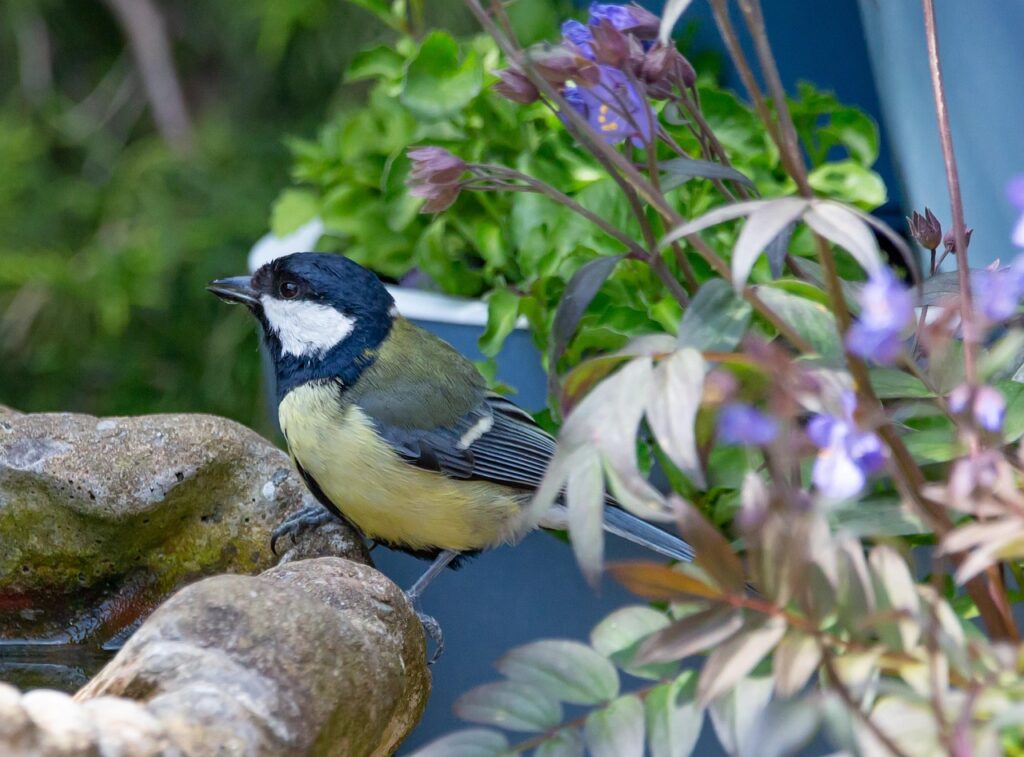
Creating a bird-friendly garden is one of the most rewarding ways to support wildlife at home. Whether you have a small urban garden or a large countryside space, providing the right food, shelter and water can quickly attract a variety of beautiful birds. In this guide, we’ll explore the key things birds need to visit and thrive in your garden—from choosing the right feeders and food to creating safe nesting spaces and natural habitats.
Why Attract Birds to Your Garden?
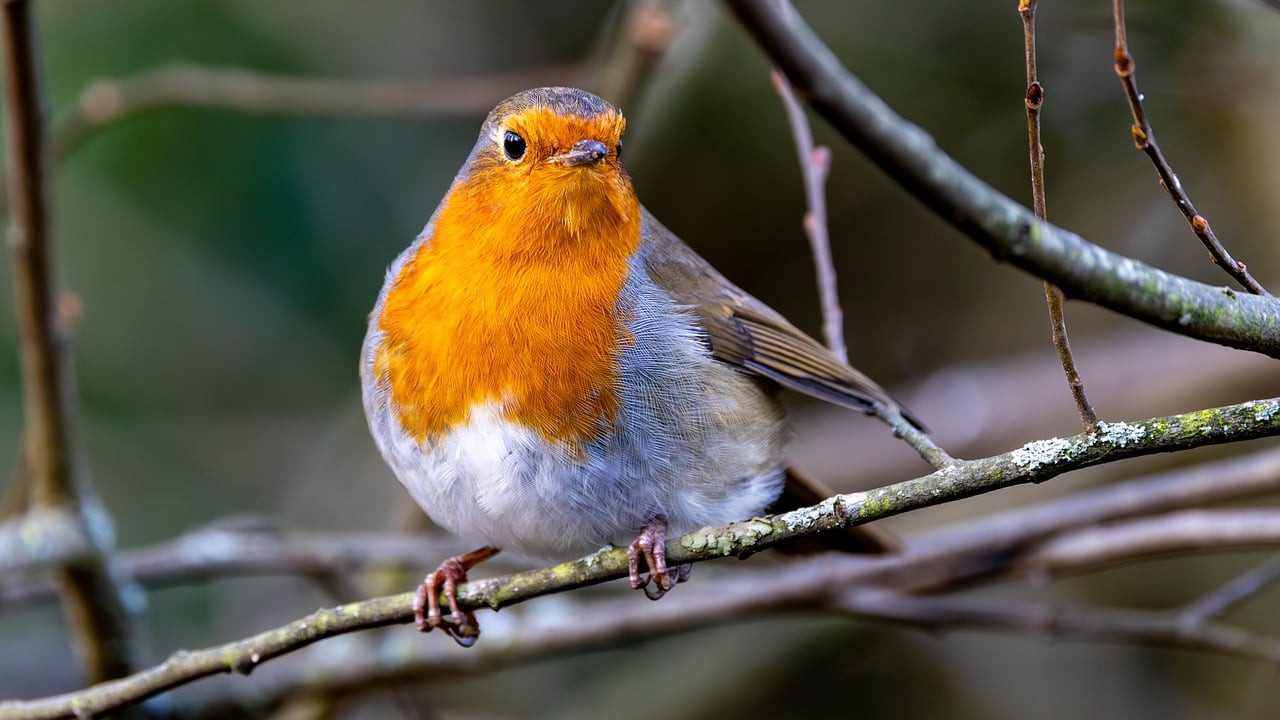
Attracting birds to your garden brings many benefits for both wildlife and gardeners. Garden birds add colour, movement and birdsong to your outdoor space, making the garden feel more alive throughout the year. By providing food, water and safe places to nest, you can also help support local bird populations, especially as natural habitats continue to decline. Birds are also helpful visitors, feeding on insects and garden pests that can damage plants. Creating a bird-friendly garden is therefore not only enjoyable but also a simple way to help nature thrive right outside your door.
1. Provide the Right Bird Food
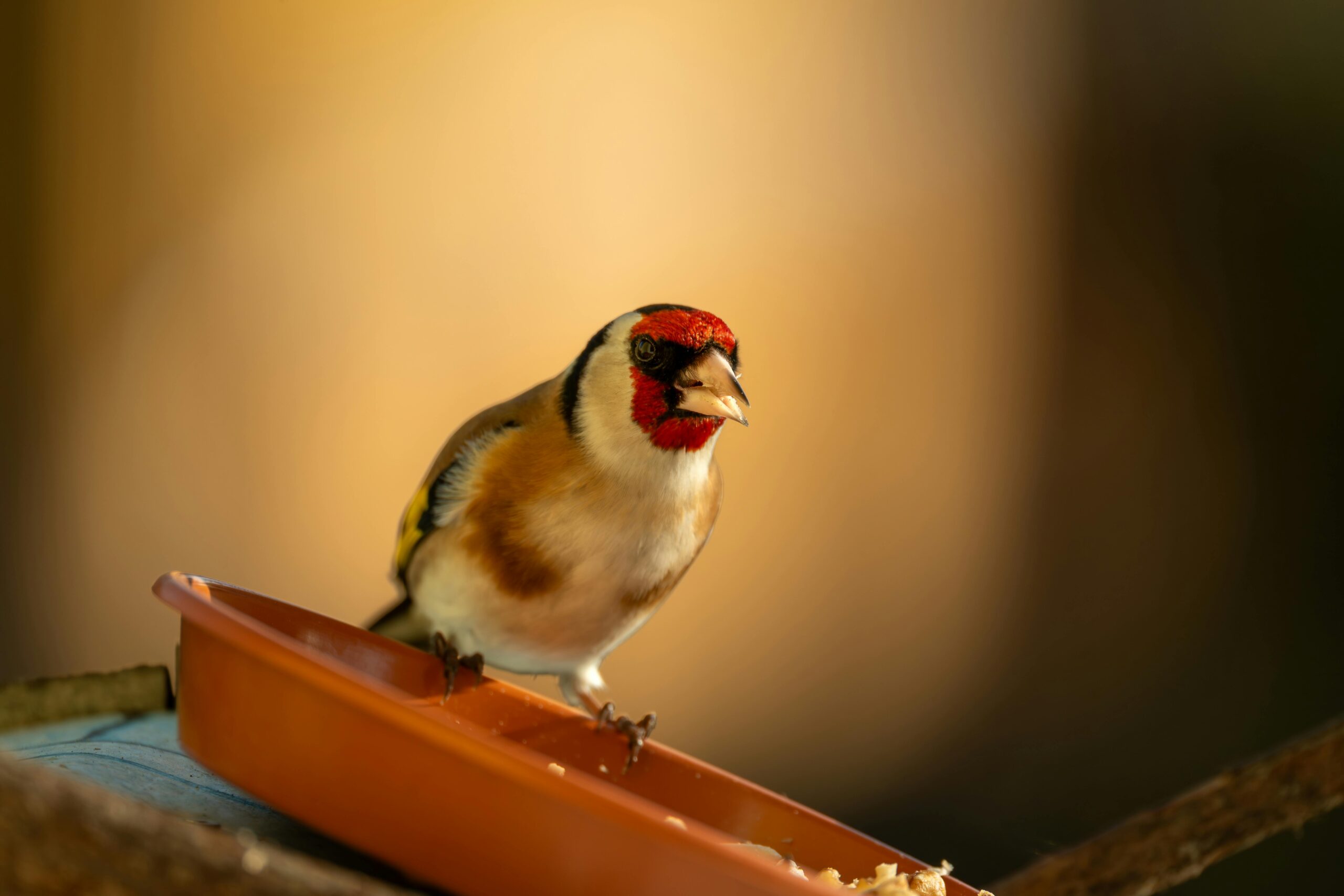
Attracting birds to your garden brings many benefits for both wildlife and gardeners. Garden birds add colour, movement and birdsong to your outdoor space, making the garden feel more alive throughout the year. By providing food, water and safe places to nest, you can also help support local bird populations, especially as natural habitats continue to decline. Birds are also helpful visitors, feeding on insects and garden pests that can damage plants. Creating a bird-friendly garden is therefore not only enjoyable but also a simple way to help nature thrive right outside your door.
2. Choose the Right Bird Feeders
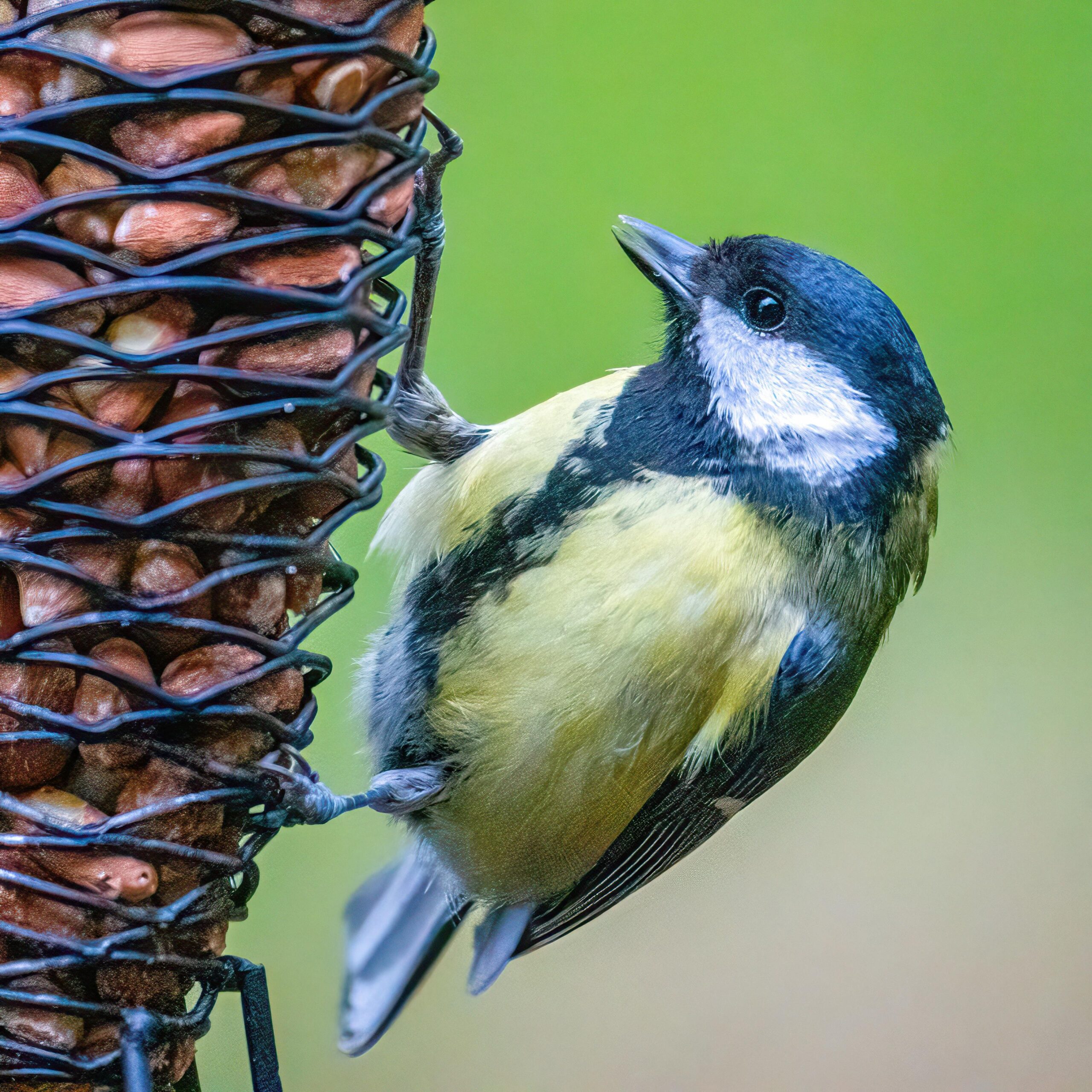
Using the right bird feeders can make a big difference in attracting a variety of birds to your garden. Different feeder designs are suited to different types of food and bird species. For example, tube feeders are ideal for seed mixes and are popular with birds like tits and finches, while mesh feeders are perfect for peanuts and fat balls. Ground feeders can attract birds such as robins and blackbirds that prefer feeding closer to the ground. Placing feeders in safe locations near shrubs or trees will help birds feel protected while feeding. If you’re unsure which feeders to choose, take a look at our guide to bird feeders and our top 10 bird feeders to find the best options for your garden.
3. Provide Water
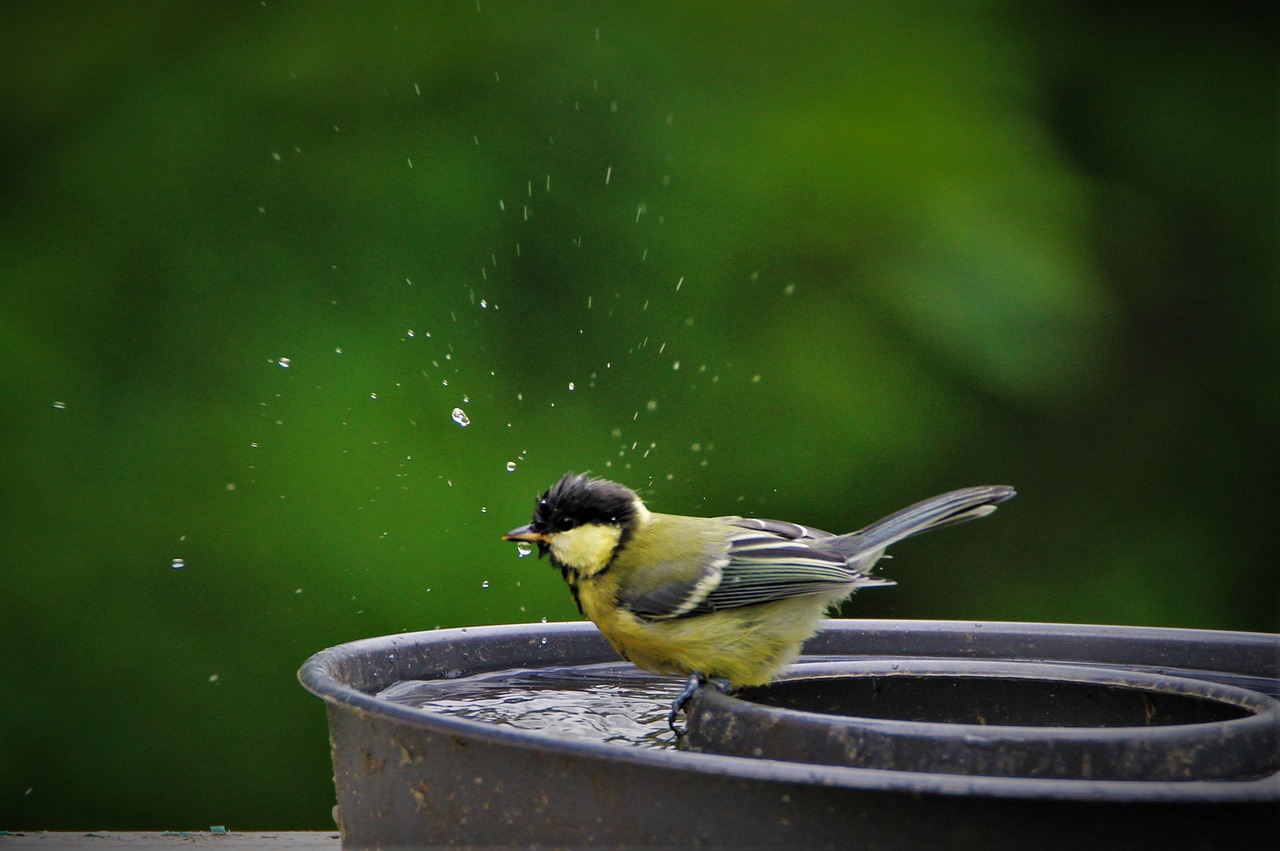
Water is just as important as food when it comes to attracting birds to your garden. Birds need fresh water not only for drinking but also for bathing, which helps them keep their feathers clean and in good condition. A simple bird bath, shallow dish, or small garden pond can quickly become a popular spot for garden birds. Ideally, the water should be shallow with gently sloping sides so smaller birds can use it safely. Try to place water sources near shrubs or trees where birds can perch and feel protected, and remember to change the water regularly to keep it clean and safe.
Adding a copper purification disc can keep water fresh for longer and reduce algae, we have them and they work!
4. Offer Safe Nesting Spaces
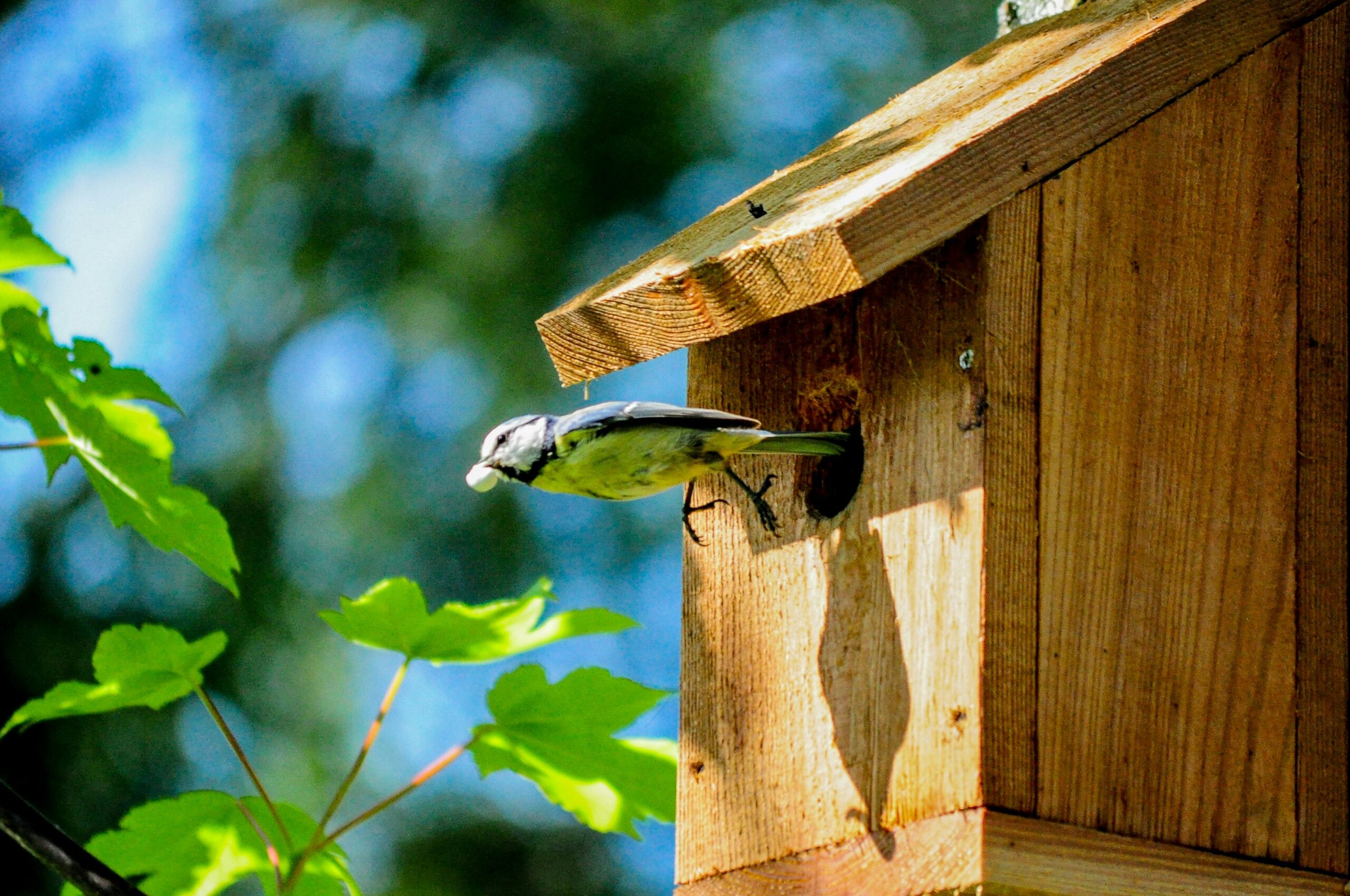
Providing safe places for birds to nest can encourage them to stay in your garden throughout the breeding season. Many garden birds will happily use nest boxes if they are placed in a quiet, sheltered location away from strong winds and direct sunlight. Different bird species prefer different types of nest boxes, with varying entrance hole sizes and placements. Leaving areas of natural cover such as hedges, shrubs, and climbing plants can also give birds additional places to build their nests. By offering suitable nesting spaces, you’re helping birds raise their young safely while making your garden an even more welcoming habitat for wildlife.
5. Plant Bird-Friendly Plants
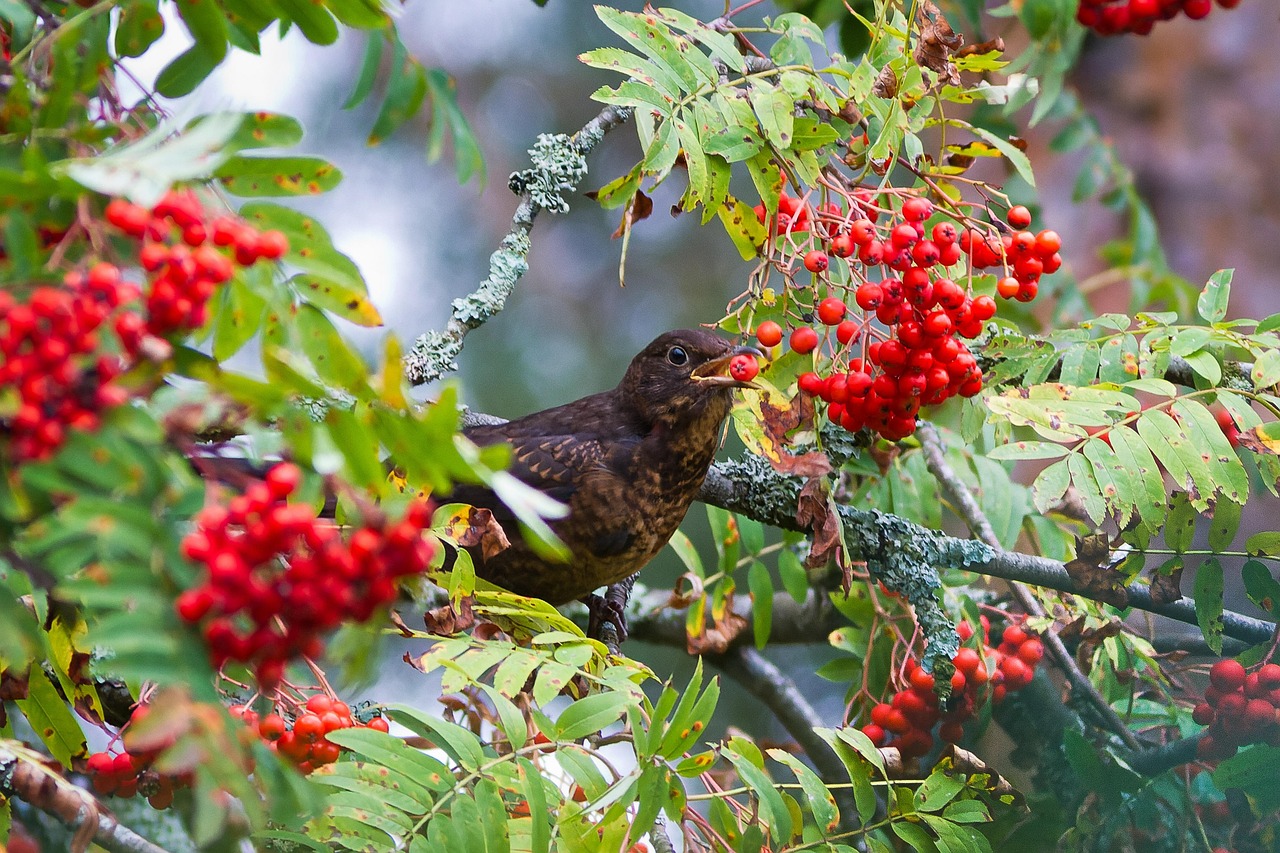
Planting bird-friendly plants is a great way to naturally attract birds to your garden while also creating shelter and food sources throughout the year. Native plants such as hawthorn, holly, rowan, ivy and blackthorn produce berries and provide dense cover where birds can rest, hide from predators and build nests. Flowering plants like sunflowers and teasels also produce seeds that many birds enjoy feeding on during autumn and winter. Try planting shrubs and hedges around the edges of your garden to create safe corridors for birds to move through, while taller plants and climbers can be placed along fences or walls to provide extra shelter and nesting spots.