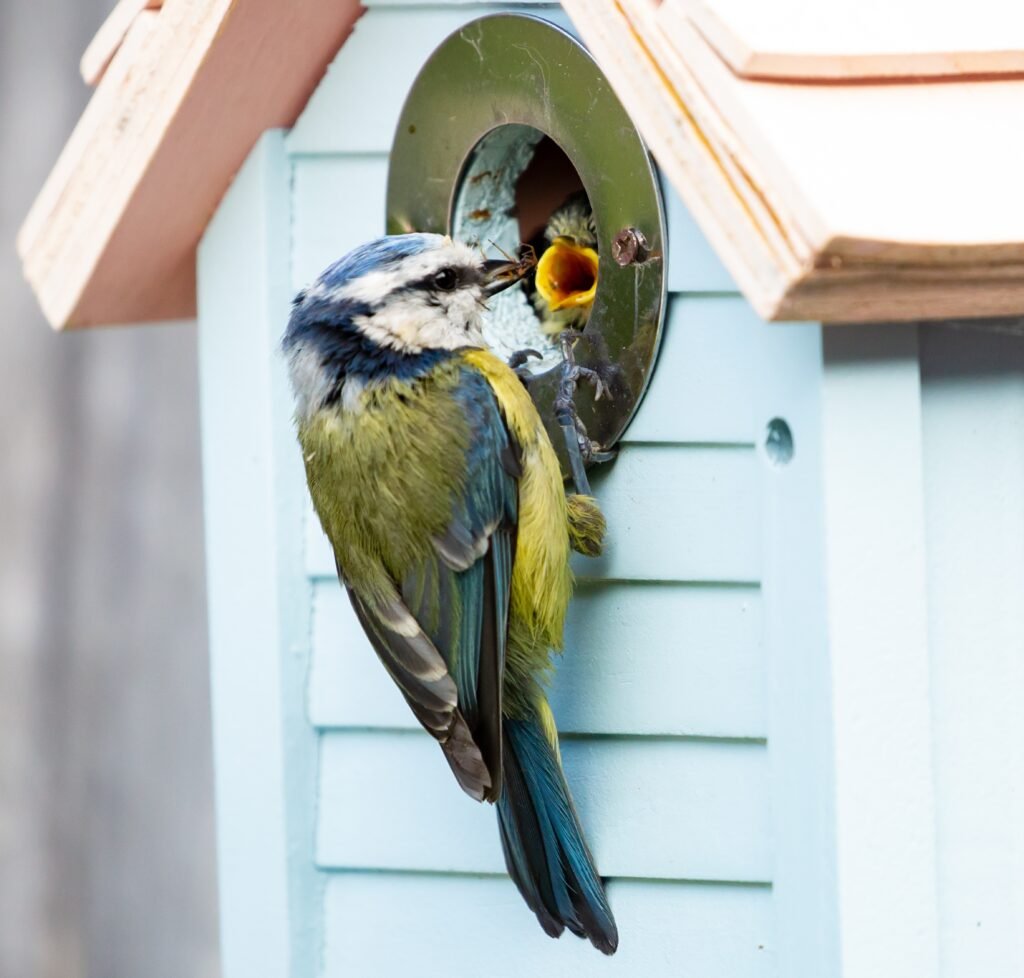
Many garden birds rely on soft, protein-rich live food to feed their chicks during nesting season.
While seeds and suet are great for adult birds, baby chicks need food that is easier to digest and packed with moisture and nutrients. That’s why insects and live mealworms are so important in spring and early summer.
Parent birds can make hundreds of feeding trips every single day while raising their young. Providing live mealworms in your garden can give them an extra helping hand when they need it most 
Benefits of live mealworms
 High in protein
“Live mealworms are packed with protein and nutrients that help support healthy feather growth, energy levels and chick development.”
 Natural moisture source
“Unlike dry seeds, live mealworms also contain moisture, which is especially important for young chicks during warm weather.”
 Easier for chicks to eat
“Parent birds prefer soft foods for their chicks because hard seeds and large food pieces can be difficult for young birds to digest.”
 Encourages natural feeding behaviour
“Live food encourages birds to forage naturally and can attract a wider variety of species to your garden.”
Birds that LOVE mealworms
Robins
Blackbirds
Blue tits
Great tits
Wrens
Starlings
Dunnocks
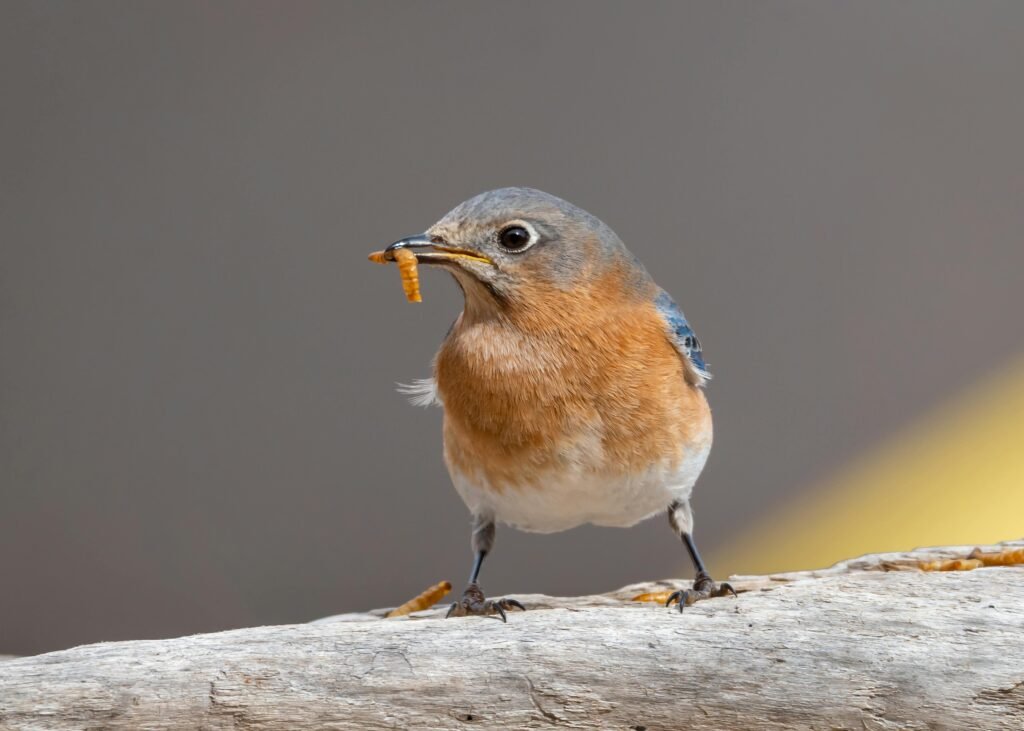
 Where to place live mealworms
Good placement tips:
 Near shrubs or bushes Somewhere birds can quickly escape to In a shallow dish or feeder tray Quiet area away from pets
 Best time to feed
Early morning and late afternoon are often the busiest feeding times for parent birds.
Helpful caution
Only offer small amounts at a time during hot weather to keep mealworms fresh and active.
Encourages natural feeding behaviour
“Live food encourages birds to forage naturally and can attract a wider variety of species to your garden.”
Providing even a small amount of live food can help support struggling parent birds during one of the busiest times of the year
 Shop Live Mealworms